
Natural Ingredients and Botanical Profiles
Nature provides a vast array of compounds that can support and enhance human health. Our Ingredients Database is a comprehensive resource designed to help you understand the origins, benefits, and safety profiles of the herbs and extracts commonly used in men's wellness products. We focus on evidence-based applications of traditional botanicals to ensure you use these powerful tools responsibly.
A curated inventory of botanical knowledge
Each profile in this database follows the same structure: the origin and traditional use of the plant, the active compounds that matter most, how modern observations frame its role in daily wellness, and what to look for when reading a supplement label. We focus on standardized extracts, honest serving sizes, and the practical details that help you compare products on merit rather than marketing language.
The botanicals covered here share a common thread — long histories of traditional use across Asia and the Indonesian archipelago, combined with enough modern research to warrant a closer look. None of these herbs are presented as quick fixes. They are tools for men who think about wellness as a long-term project, built on consistent habits, clean nutrition, and informed choices about what goes into the body.

Panax Ginseng: The Root of Energy
Ginseng has been used for centuries in traditional Asian wellness practices to improve stamina and reduce fatigue. The active compounds, known as ginsenosides, are believed to help the body adapt to physical and mental stress. We detail the differences between Red and White Ginseng and how they can be used to support focus during demanding periods.
Red Ginseng is steamed and dried, which deepens its color and alters its compound profile. White Ginseng is simply sun-dried, preserving a gentler character. The choice between the two often comes down to individual tolerance and the specific wellness goal — Red for deeper restorative work, White for lighter daytime support. It remains one of the most researched botanicals for male vitality.
When evaluating a ginseng supplement, standardized ginsenoside content matters more than total root weight. A label that lists a ginsenoside percentage (commonly 5–20 percent) gives you a concrete way to compare products. Roots grown for five to six years before harvest tend to carry a fuller compound profile than younger roots.
Tribulus Terrestris: Traditional Support
Tribulus is a small leafy plant that has a long history of use in both Ayurvedic and traditional Indonesian wellness. It is often included in supplements aimed at supporting physical performance and general vigor. While it is not a primary nutrient, many men find it a useful addition to a balanced wellness stack.
The plant produces small, spine-covered fruits and thrives in dry, sandy soils across Southeast Asia and the Mediterranean. Traditional preparations used the whole plant, while modern extracts concentrate on saponins — the compounds most often associated with its observed effects on physical resilience and recovery.
Our profile covers the traditional uses and what modern observations suggest about its role in daily health. When choosing a Tribulus product, look for saponin standardization (often 40–90 percent), and pay attention to whether the extract uses the fruit, the root, or the whole plant. Each part carries a slightly different compound balance.

Ashwagandha as an Adaptogen
Ashwagandha is a powerful adaptogen that helps the body manage cortisol levels and maintain a sense of calm. In the fast-paced urban environment of Surabaya, managing stress is a priority for many men. This herb supports both relaxation and physical recovery, making it ideal for those who balance intense work with regular exercise.
The root is the part used in traditional preparations, typically dried and ground into a fine powder. Modern extracts concentrate withanolides — the compounds credited with the plant's adaptogenic effects. A standardized extract (commonly 5 percent withanolides) offers more consistency than plain root powder, which can vary widely from harvest to harvest.
We explain the importance of standardized extracts to ensure consistent quality. Taking ashwagandha in the evening tends to support restful sleep and overnight recovery, while morning use may suit those looking for a steadier stress response through the workday. Cycling — a few weeks on, a week off — is a common practice in traditional Ayurvedic guidance.
Fenugreek and Metabolic Health
Fenugreek is a common herb that has shown promise in supporting healthy blood sugar levels and metabolic function. For men, it is often used to support overall vitality and body composition when paired with regular strength training. The seeds contain fiber and compounds that may assist in digestive health as well.
The seeds are small, hard, and deeply aromatic — a warm, slightly bitter scent that is unmistakable in Indonesian and South Asian cooking. In supplement form, fenugreek extracts typically concentrate saponins (including fenuside) and 4-hydroxyisoleucine, an amino acid unique to this plant that is linked to its metabolic effects.
Our database provides insights into the proper serving sizes and what to look for in a concentrated extract. A common practical detail: fenugreek is fat-soluble, so taking it with a meal that includes some healthy fa may improve absorption. As with any fiber-rich botanical, starting with a smaller serving and adjusting over a week or two tends to suit the digestive system better.
Saw Palmetto: Botanical Maintenance
Derived from a type of palm tree, Saw Palmetto is frequently used by men to support the health of the urinary system as they age. It is one of the most common ingredients in men's wellness blends due to its long history of safe use. We discuss how this extract works and why it is considered a staple in natural health maintenance for men over forty.
The berries of the Serenoa repens palm — a low-growing plant native to the southeastern United States — are the source material. Liposterolic extracts concentrate the fatty acids and phytosterols believed to be responsible for the plant's observed effects on urinary tract wellness.
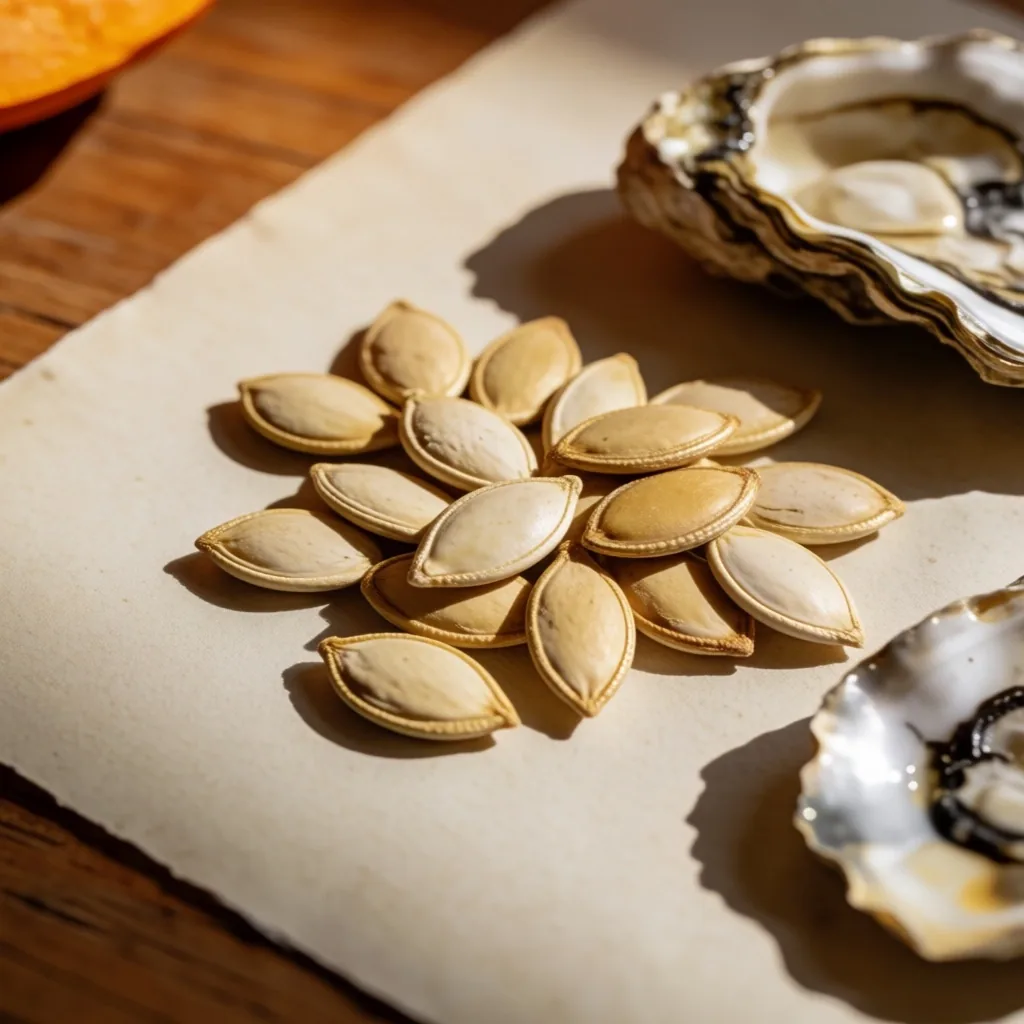
When evaluating a saw palmetto supplement, look for extracts standardized to 85–95 percent fatty acids. Many products combine it with complementary botanicals like pumpkin seed or nettle root, which share a traditional role in supporting urinary function. Consistency matters more than high single doses — daily use over several weeks is typically how effects become noticeable.
Maca Root for Endurance
Maca is a cruciferous vegetable from the Andes mountains that has gained global popularity for its ability to support energy and stamina. Unlike caffeine, Maca provides a non-stimulant boost that many men prefer for long-term use. It is available in several varieties, each with slightly different properties. Our guide explains how to integrate Maca powder or capsules into your routine for maximum benefit.
The root grows above 4,000 meters in the Peruvian highlands, surviving harsh conditions that few other crops tolerate. This resilient environment is part of what makes the plant so dense in nutrients — it stores energy as a survival mechanism. The three most common varieties are yellow, red, and black maca, each carrying a slightly different compound balance.
Yellow maca is the most widely available and the most studied; red maca is often associated with antioxidant properties; black maca is traditionally linked to physical performance and stamina. Gelatinized maca — a process that removes starches through gentle heating — tends to be easier on the digestive system and more concentrated per gram than raw powder.
Turmeric and Curcumin for Recovery
Turmeric is a staple of Indonesian culture, both in cuisine and traditional Jamu. The active compound, curcumin, is well-known for its ability to support a healthy inflammatory response in the body. This makes it an excellent choice for men looking to support joint health and recovery after physical exertion. We highlight the importance of pairing turmeric with black pepper extract to significantly enhance absorption.
Curcumin on its own is poorly absorbed by the body — often less than one percent of what you ingest makes it into the bloodstream. Piperine, the active compound in black pepper, can increase curcumin absorption many times over. This is why most quality turmeric supplements list both ingredients on the label.
Alternative absorption strategies include liposomal curcumin (encased in phospholipids) and curcumin phytosome formulations (bound to sunflower lecithin). Both tend to outperform standard extracts on bioavailability, though they come at a higher cost. For everyday wellness, a standardized 95 percent curcuminoid extract paired with piperine remains a practical and well-studied baseline.
Quality Control in Herbal Extracts
The effectiveness of a botanical supplement depends entirely on the quality of the raw material and the extraction process. We educate our readers on the difference between simple root powders and standardized extracts. Understanding these technical details helps you choose products that actually contain the active compounds described on the label. Purity testing for heavy metals is also a key topic in this section.
A root powder is exactly what it sounds like — the dried plant material ground into a fine powder. It contains everything the plant contained, including fiber and inert compounds, but its active ingredient concentration varies with soil, harvest time, and drying method. A standardized extract isolates the active compounds and concentrates them to a stated percentage, giving you consistency from batch to batch.
Heavy metal contamination is a real concern with botanicals grown in certain soils. Look for products that mention third-party testing for lead, arsenic, cadmium, and mercury. A Certificate of Analysis from an independent lab is the gold standard, though not every brand makes one publicly available. When in doubt, contact the manufacturer directly — a transparent company will answer without hesitation.
Root Powder
Type A- +Whole-plant spectrum — contains all naturally occurring compounds in the original ratios
- +Lower cost per gram; widely available in bulk powder and capsule form
- −Active compound concentration varies by harvest and cannot be guaranteed
- −Heavier, fibrous material means larger serving sizes to reach an effective dose
Standardized Extract
Type B- +Active compound content verified to a stated percentage on every batch
- +Smaller serving sizes; easier to build a consistent daily routine
- −Higher cost per gram; extraction solvents and methods vary by manufacturer
- −May lose some of the minor synergistic compounds present in whole-root material
Questions about reading ingredient labels
What does "standardized extract" mean on a supplement label?
It means the manufacturer has verified that a specific percentage of the active compound is present in every batch. For example, a "5% ginsenosides" standardized extract guarantees that 5 percent of the material by weight consists of ginsenosides. This consistency lets you compare products directly and adjust serving sizes with confidence.
How do I know if a botanical supplement has been tested for purity?
Look for mentions of third-party or independent lab testing on the label or product page. A Certificate of Analysis should list results for heavy metals (lead, arsenic, cadmium, mercury), microbial contamination, and the active compound percentage. Not every brand publishes these, but transparent companies will provide them on request.
Can I combine several of these botanicals in one routine?
Many men do combine adaptogens and botanicals, but it is wise to introduce one at a time and observe how your body responds over two to three weeks before adding another. Stacking multiple extracts increases the total compound load, so pay attention to serving sizes and avoid doubling up on ingredients that share similar pathways — for instance, two high-saponin herbs taken at full strength simultaneously.
Where can I learn more about extraction methods?
Our Quality Standards page covers extraction methods, third-party testing, and what to look for when evaluating a supplement brand. For questions about a specific ingredient profile, you can also reach our editorial team directly through the contact page.
Use this database as a starting point
The profiles here are a reference, not a prescription. Read them alongside your own wellness goals, talk to a qualified health professional before starting any new supplement, and use the comparison points above to evaluate products on their actual merits. If you have a question about an ingredient not yet listed, our editorial team in Surabaya is happy to help.
Address
Jl. Diponegoro No. 146
Darmo, Wonokromo
Surabaya, 60241
Hours
Mon – Fri
09:00 – 18:00 WIB